


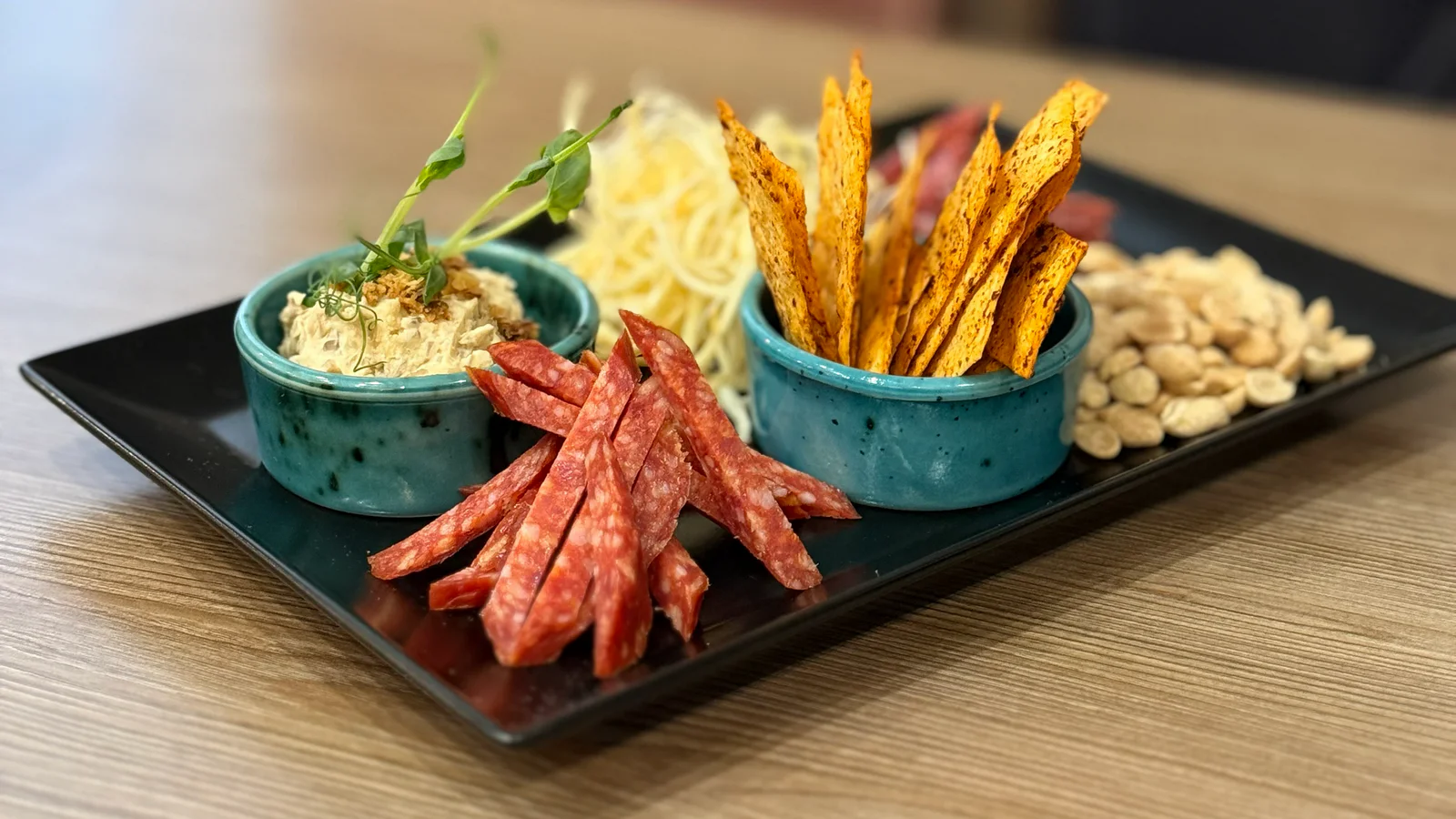
The interior of a restaurant kitchen: what the owner doesn't see, but the chef's gaze pays for
From the outside, a kitchen often looks like a place where people just “cook.” But on the inside, it’s a complex system where every action affects the restaurant’s bottom line.
A chef doesn't always think in terms of profit, but it's his daily decisions that shape food cost, write-offs, and the stability of the kitchen. And there are things that the owner doesn't see, but for which he pays every day. There are several examples that I want to give you:
1. A few grams “on top” is no small thing
In the kitchen, they often work “by eye”: a little more sauce, a slightly larger piece of meat, “to make it look nice.”.
From a chef's point of view, it's about taking care of the guest. From a business point of view, it's uncontrolled overspending.
When this happens in every serving, the restaurant loses part of its profit every day, even with good sales, and then the inventory doesn't match up and it's unclear why there's a shortage of products.
2. Uncontrolled number of blanks - unnecessary write-offs
It is important for a chef to have “everything at hand,” so preparations are often made with a margin.
But if there is no clear understanding of sales:
– some products are not used;
– something loses quality;
– something is simply written off
And this is not a one-time problem, but a systemic story.
3. The product is not fully used
There are often “blind spots” in kitchen work:
– trimmings;
– residues after processing;
– products that are not included in the main dishes
If there is no system for their use, they simply disappear.
Although, with the right approach, one product can work in several dishes and significantly reduce the cost.
4. Different chefs - different results
Even with the same recipe, each chef prepares it a little differently:
– different grammage;
– different feed;
– different taste
Without clear standards, the kitchen operates erratically, and this directly affects the food cost.
5. A menu that is difficult to maintain
When the menu has many items with different ingredients:
– kitchens are more difficult to work in;
– more chances of errors;
– more leftovers
For the chef, this means constant pressure and chaos. For the owner, it means unnecessary expenses.
The kitchen is not just about food production. It is the area where a restaurant’s profit or loss is formed. And most problems arise not because of “bad cooks,” but because of the lack of a system: clear standards, correct technological maps, and task execution control.
Author: Brand Chef
Olena Ponomarenko