



Food cost under control: how the chef really affects a restaurant's profit
In most restaurants, food cost is perceived as a "number on the report." But in reality, it is the chef's daily area of responsibility. It is the kitchen that either creates profit or quietly eats it up.
A strong chef is not just about taste. It's about managing the product, processes, and money. Let's break down the key points where a chef directly impacts the financial result.
1. Suppliers: not «cheap», but «profitable»
The boss's task is not to find the lowest price, but to balance price - quality - stability.
Typical mistake: took a cheaper product – got more waste – lost money.
Example: Chicken fillet is 15% cheaper, but has more moisture, loses weight during heat treatment - the actual cost increases, or the shelf life expires and you receive a poor-quality product.
What should a chef do:
– test products before introducing them to the menu;
– calculates the yield after processing raw materials (waste rate);
– negotiates stable supplies and loyal conditions.
2. Menu: Each product should work multiple times
A properly designed menu is the main tool for controlling food costs.
Principle: one product = at least 2–3 dishes.
Example:
Fish: steak, salad, pasta
Bouillon: soup, sauce, base for garnish
Meat: steak, salad, snacks
What could be wrong? A large menu with unique ingredients, which entails the following consequences: inventory balances – write-offs.
What a competent menu provides:
– less frozen money in the warehouse;
– fewer write-offs;
– stable kitchen operation;
– reduces the time for serving meals.
3. Technological maps: accuracy is money
A technological map is a financial model of a dish.
Critically important:
– correct waste coefficients;
– real outputs after processing;
– clear grams per serving and unit of measurement
Without accuracy in technical charts, there is no profit control.
4. Write-off control: «invisible» losses
Write-offs are the area where money is most often lost.
Reasons:
– spoilage of products;
– improper storage and lack of control;
What the boss implements:
– daily control of residues;
– marking and rotation (FIFO);
– analysis of reasons for write-off
5. Acts of Dissection: Proper Kitchen Mathematics
This is something that is often ignored – and for good reason.
Analysis certificates are required for products that:
– undergo primary processing
– are divided into several meals
The act of analysis allows you to see the real cost of each part of the product.
6. Analytics:
ABC and food cost are not just reports, they need to be analyzed and decisions made in a timely manner to change a dish, increase the price, or remove it from the menu.
If the chef thinks like a manager, the kitchen becomes profitable. If not, even a full hall won't save the restaurant.
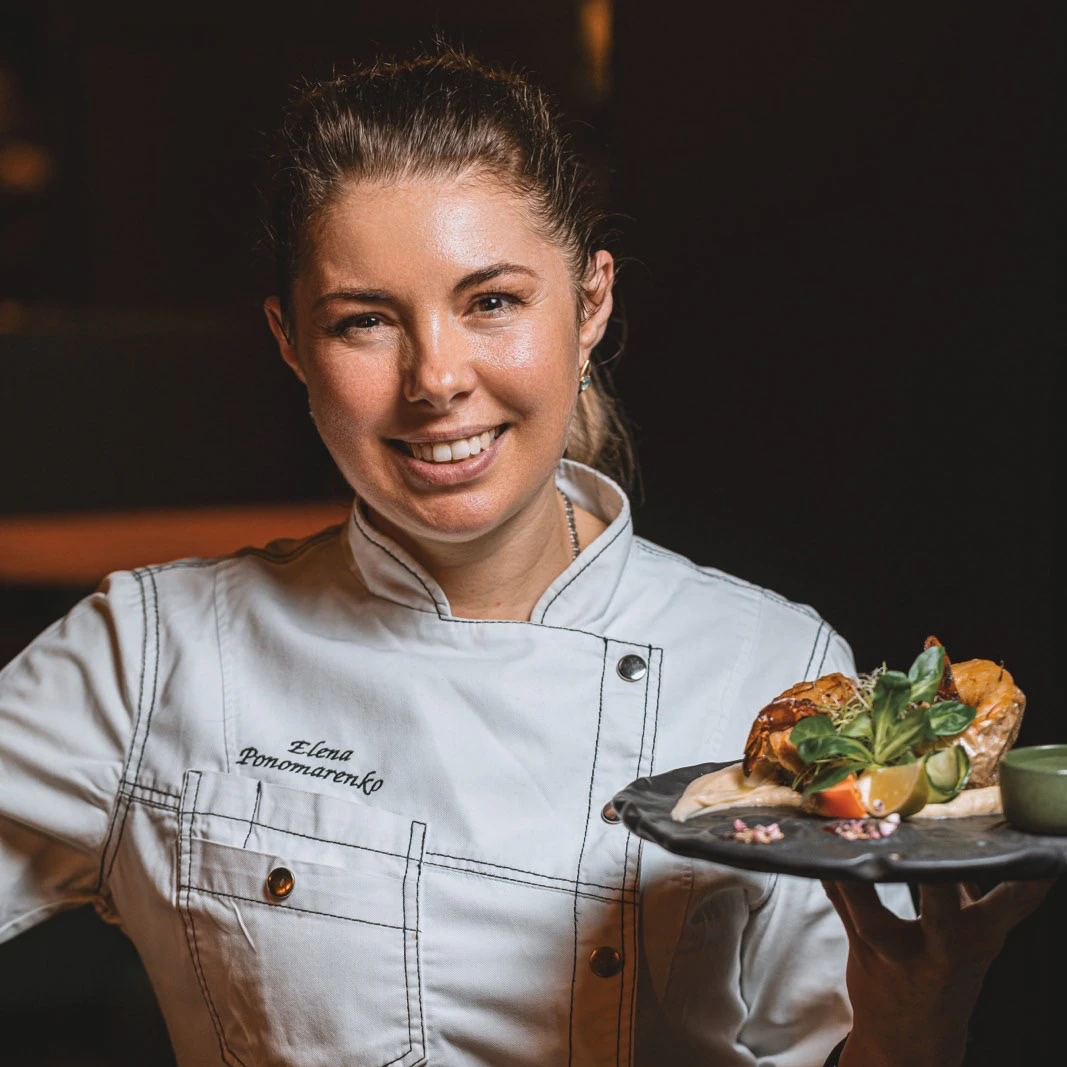
Author: Brand Chef
Olena Ponomarenko