


1. What sugar-free candies really make sense on the menu?
Guests who avoid sugar are often left without dessert, and the establishment without additional income. Instead of "nothing is available," it is worth offering 1-2 thoughtful items without added sugar that do not look like a compromise.
Practical options for HoReCa:
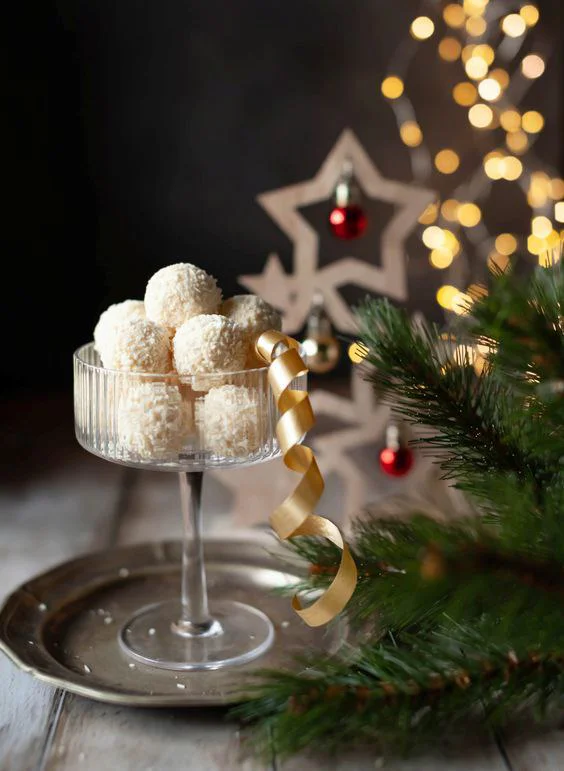
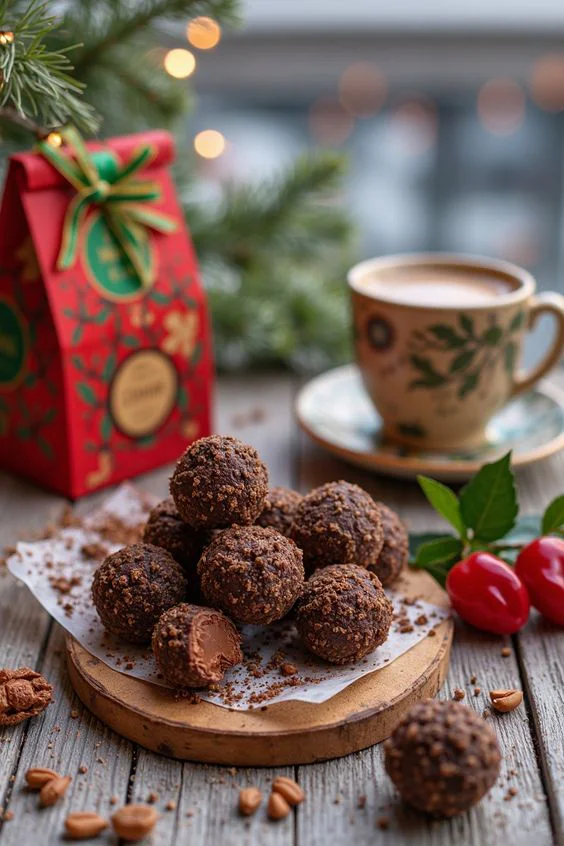
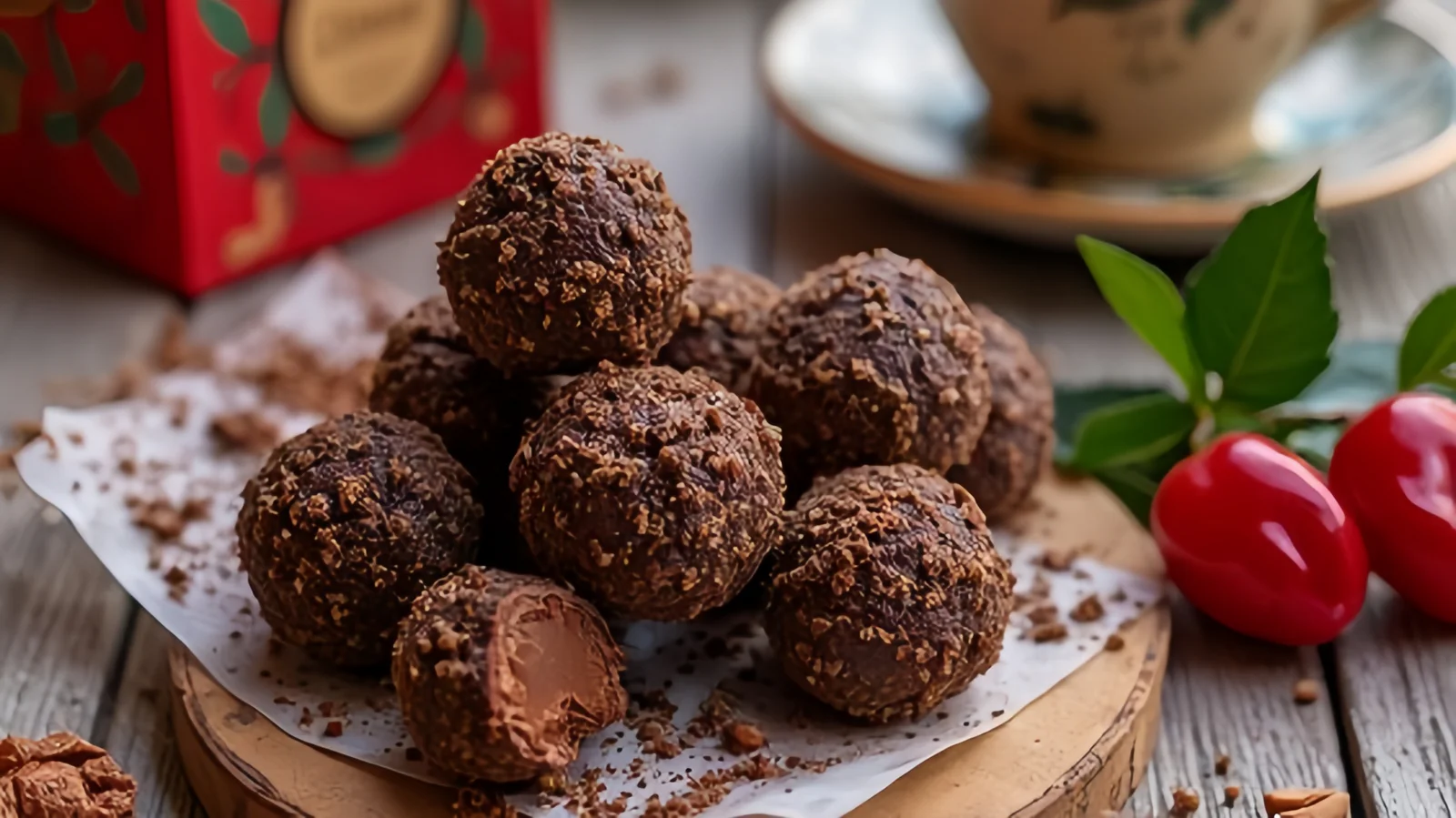
– truffles based on dates, nuts and cocoa – the sweetness comes from the dates themselves, the structure is dense, the shelf life is convenient for work;
– praline with erythritol or another modern sweetener – the familiar «coffee candy» format, but in a «light» version;
– fruit-nut «candies» or wafers (pastries with added nuts, seeds, cocoa).
What does this give to the institution:
– a separate «sugar-free» category expands the audience: guests who usually refuse dessert order it without feeling guilty;
– such items can easily be served as a «healthy accent» to coffee or tea, raising the check without a large food cost;
– this supports the modern image of the establishment: you respond to trends and care about different groups of guests.
2. How to raise the average check with dessert?
Dessert is one of the easiest tools to increase your average check, if you work strategically rather than "on a residual basis.".
What to try:
– a tasting dessert or a set of mini-desserts: for example, «3 mini-desserts + coffee» or «chocolate tasting set.» Guests love to try different things, and the small format reduces the fear of «taking something unknown.».
– pairing with drinks: clearly work out the pairings: «this truffle + espresso», «berry dessert + prosecco», «sugar-free candy + matcha/filter». The less the guest has to think, the easier it is for them to agree.
How does this affect business:
– the set allows you to sell it for 20–40% more than one portion of dessert, while slightly increasing the food cost due to the mini format;
– a well-written pairing of desserts and coffee/artistic drinks raises the bill without complicated changes to the kitchen – it’s more about working with presentation and service;
– waiters receive a simple upsell script: «We have the perfect dessert to go with this drink, which guests really praise.».
3. Which truffle can survive an 8-hour journey?
This is a relevant question for take-away desserts, gift boxes, and catering. The guest should arrive home or across town with a dessert that looks as good as it did when it was delivered.
Optimal solution:
– classic dark chocolate ganache with a minimal amount of cream;
– without alcohol and fruit purees inside – they reduce stability and shorten shelf life;
– as an additional texture – nuts, seeds, crunchy elements.
Why is it beneficial:
– such truffles are dense, stable, and hold their shape well, which reduces the percentage of returns and complaints;
– the «truffle box» format is an ideal additional sale to the bill: the guest can take them «for home», «as a gift» or «to the office»;
– a stable product facilitates logistics for delivery and field events.
4. Is it realistic to teach staff how to make chocolate decorations in 15 minutes?
Most restaurant owners avoid complex decor because they «don’t have time» and «the staff doesn’t know how.» In fact, there are basic techniques that can be practiced with a team in literally one short session.
What you can do quickly:
– simple curls, petals, «leaves» made of chocolate;
– elementary "lace" or thin plates that add volume and height to the dessert;
– mini chocolate bars with a logo or a short word.

Author:
Olesya Kolomiets
Instagram:
@delice.sommelier